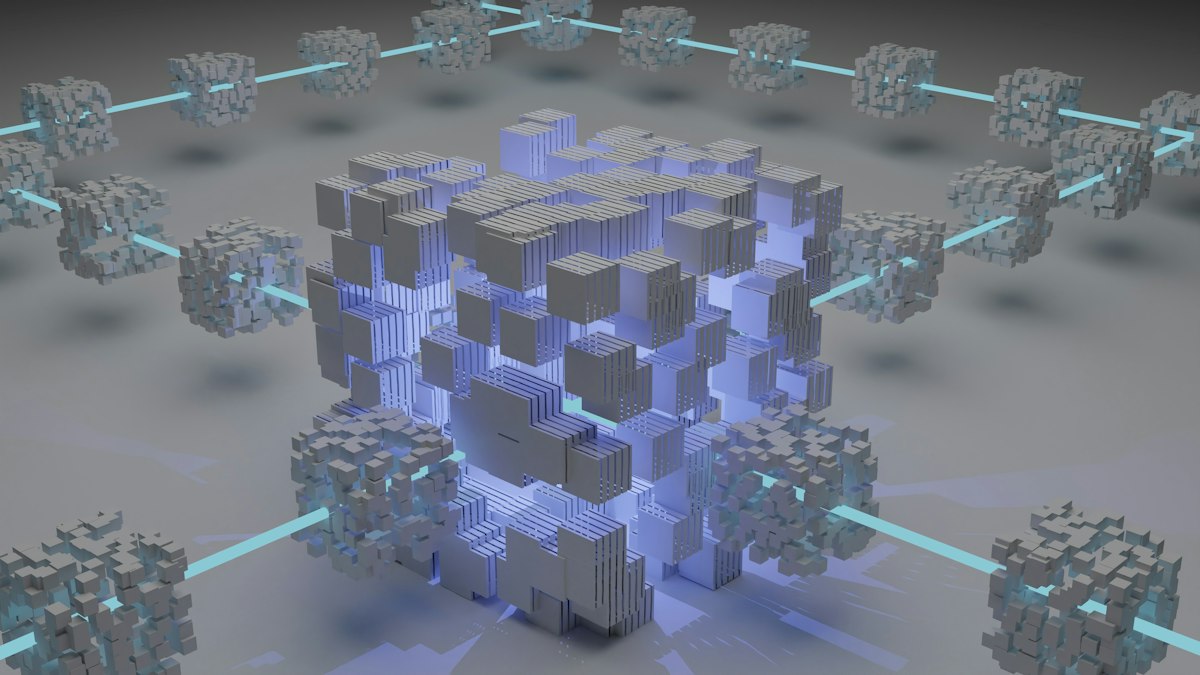

Scroll is a ZK-EVM Layer 2 built on Ethereum designed to solve two of Ethereum's biggest pain points: high gas fees and slow throughput. It achieves this through Zero-Knowledge Rollup (ZK Rollup) technology, which batches thousands of transactions together and generates a cryptographic proof of their validity, then submits that proof back to Ethereum Mainnet. What sets Scroll apart from other ZK Rollups is its native EVM compatibility — developers can deploy existing Ethereum smart contracts on Scroll without modifying a single line of code.
What is Scroll and How Did It Start
Scroll was founded in 2021 by a team with roots in the Ethereum Foundation and zero-knowledge cryptography research. Their explicit goal was to build the most Ethereum-native ZK-EVM possible — meaning Scroll doesn't just make smart contracts run on a ZK Rollup, it makes every type of EVM bytecode directly provable using ZK proofs.
Scroll launched its mainnet officially in October 2023 after more than two years of testing with support from leading protocol developers. Today, Scroll is one of the highest TVL ZK-EVMs in the Ethereum ecosystem.
How ZK-EVM Works
ZK-EVM uses ZK-SNARKs (Zero-Knowledge Succinct Non-Interactive Arguments of Knowledge), a mathematical technique that proves a set of computations were performed correctly without revealing all the underlying data. Here's how Scroll's process works:
1. Batch Transactions: Users send transactions on Scroll Network → Sequencer bundles them into batches
2. Execute on EVM: Scroll's EVM processes every transaction in the batch
3. Generate ZK Proof: Prover generates a cryptographic proof that all computations are valid
4. Submit to Ethereum: Proof + state root is submitted to a Smart Contract on Ethereum L1
5. Verify: Ethereum verifies the proof through an on-chain verifier contract
Scroll vs. Other Layer 2s
In the Ethereum Layer 2 market, the main options are Optimism, Arbitrum, zkSync Era, Polygon zkEVM, and Scroll — each with key differences.
Scroll vs. Optimism/Arbitrum (Optimistic Rollup):
Optimistic Rollups are easy to deploy and have high EVM compatibility, but withdrawing funds back to L1 requires a 7-day waiting period. Scroll's ZK Proof approach eliminates this wait and offers stronger security guarantees since it doesn't rely on fraud proofs.
Scroll vs. zkSync Era:
zkSync Era also uses ZK Rollup but is a Type 4 ZK-EVM, using its own zkEVM bytecode rather than standard EVM bytecode. Some protocols need to modify code before deploying. Scroll's Type 2 approach offers far better EVM compatibility.
Scroll vs. Polygon zkEVM:
Both are Type 2 ZK-EVMs with similar technical approaches. Scroll focuses on Ethereum-nativeness and decentralization, while Polygon zkEVM benefits from the larger Polygon ecosystem.
How to Start Using Scroll
Using Scroll is straightforward for anyone already familiar with Ethereum — the same wallets and tools work without modification.
Step 1 — Add Scroll Network to MetaMask:
Visit scroll.io and click "Add to MetaMask," or add manually: Chain ID 534352, RPC URL https://rpc.scroll.io, Symbol ETH
Step 2 — Bridge ETH from Ethereum L1:
Use the Scroll Official Bridge at scroll.io/bridge or third-party bridges like Stargate or Orbiter Finance to transfer ETH to Scroll Network
Step 3 — Use DeFi on Scroll:
Major DeFi protocols on Scroll include Ambient Finance (DEX), Aave (lending), Pencils Protocol, and many more
SCR Token and Tokenomics
SCR is Scroll's native governance token, launched in October 2024 with an airdrop to early users. Total supply: 1,000,000,000 SCR.
SCR Distribution: 15% airdrop for users and ecosystem, 35% for Scroll Foundation and ecosystem development, 23.33% for team (4-year vesting), 26.67% for investors (2-year vesting).
SCR Use Cases: SCR holders can vote on protocol decisions including parameter changes, upgrade proposals, and Foundation resource allocation.
Scroll's Future and Roadmap
Scroll has three main roadmap tracks in parallel development: proof generation speed, sequencer and prover decentralization, and ecosystem expansion.
Proof Generation Speed: Currently ZK Proofs take several minutes per batch. Scroll is developing hardware acceleration and parallel proving to reduce this to seconds.
Decentralized Sequencer: The current sequencer is centralized, theoretically allowing Scroll to censor transactions. Decentralizing the sequencer is among the highest priorities.
Scroll SDK: Scroll is developing an SDK allowing other teams to build ZK Rollups on Scroll's infrastructure, expanding the ecosystem significantly.
Frequently Asked Questions
Stay Updated on Crypto News
Get market analysis and news on Bitcoin, Altcoins every day from BlockVoy
View All ArticlesConclusion
Scroll ZK-EVM is one of the most powerful Layer 2 solutions in the Ethereum ecosystem, combining Zero-Knowledge Proof security with Ethereum Mainnet-grade safety, lower fees, and higher speed. For frequent Ethereum DeFi users, trying Scroll is an excellent option — especially for high-value transactions that require both strong security guarantees and fast finality.
This article is for educational purposes only and does not constitute financial advice.